Latest news, analysis and data in the agriculture sector.
news
WTO Challenges EU's Palm Oil Biofuel Ban, Citing Discrimination Against Malaysia
By Obinna Onwuasoanya | Mar 13, 2024 | 0 comments

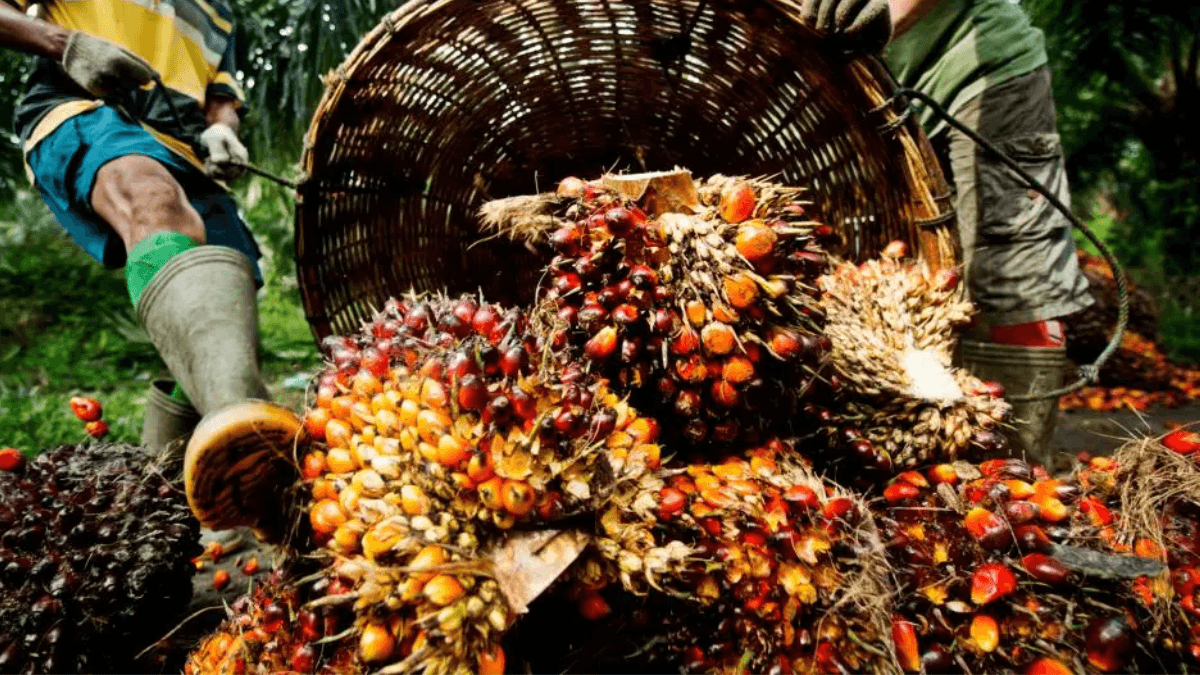
News in Brief:**- WTO rules against the EU for discriminatory palm oil ban which heavily impacts Malaysian farmers due to arbitrary criteria for certification.- EU's reconsideration of biofuel rules may affect palm oil's role in the industry, highlighting global debates on fair trade and environmental concerns.
The World Trade Organisation (WTO) has found the European Union guilty of discriminating against palm oil as a renewable energy source.
In a ruling, based on this 348-page report, the organisation exposes flaws in the EU's implementation of rules that unfairly target Malaysia, the world's second-largest palm oil producer.
The WTO panel acknowledged the validity of the EU's concerns about deforestation and emissions but criticised the arbitrary requirements which target Malaysia. Specifically, the EU's 10-year limit for certifying crops with low Indirect Land Use Change (ILUC) drew scrutiny as it overlooked the unique long lifecycle of Malaysian oil palm trees.
The problem is that even if the trees don't cause ILUC within the decade stipulated by the rule, they might have caused deforestation when the plantation was first created (which could be more than 10 years ago).
[caption id="attachment_7833" align="aligncenter" width="679"]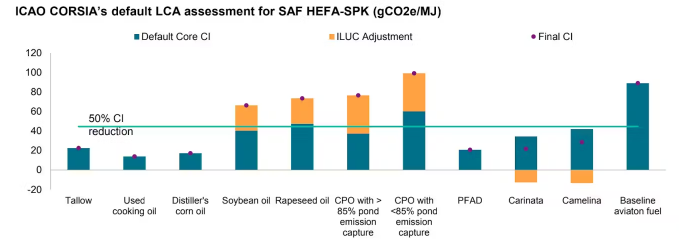 The International Civil Aviation Organization (ICAO) has assessed the carbon intensity of various biofuel feedstocks, adjusting for the indirect land use change (ILUC) risks of palm oil and other agricultural crops. Image: S&P Global Commodity Insights.[/caption]
Outdated data and unjust trade rules
Malaysia's complaints against the EU highlighted flaws in the review period and questioned the EU's reliance on outdated data from 2008 to 2016. The WTO ruling also emphasised the need for fair trade practices and challenges the EU's protectionist approach, suggesting a disproportionate focus on palm oil compared to other biofuel feedstocks. This landmark decision comes amidst a broader backlash against the EU for its deforestation-related rules. The Financial Times reported potential delays in the EU's classification system, signaling dissatisfaction from various trading partners, including Indonesia. Both Indonesia and Malaysia have accused the body of discrimination, and Indonesia's ongoing case at the WTO promises to bring new insights into the global debate.
Impact on Asian farmers and biofuel industry
The ruling directly affects Asian farmers, particularly in Malaysia and Indonesia, where palm oil is a vital component of biodiesel blends. Mandates for biofuel blends in these countries play a crucial role in driving demand, with Malaysia requiring a 10% blend and Indonesia aiming for 40% by 2030. The EU's reconsideration of its Renewable Energy Directive (RED II) criteria will influence the future of palm oil-based biofuels and may shape the industry's focus on sustainable alternatives. As a major importer of palm oil, EU policies on biofuels can significantly affect the demand for palm oil used in biofuels. If, for example, it decides to restrict palm oil-based biofuels under RED II, it could hurt the palm oil industry in Southeast Asia. Additionally, if the EU makes it harder to use palm oil in biofuels due to sustainability concerns, it could push the palm oil industry to focus on more sustainable practices to ensure their product remains viable in the EU market. While the WTO identifies palm oil's high ILUC-related emissions, industry experts see potential for palm oil in sustainable aviation fuel (SAF). The limited supply of lower-intensity feedstocks creates an opportunity for palm oil to bridge the gap in SAF. However, addressing deforestation concerns requires a comprehensive approach, emphasising effective land use planning and forest management policies.

Obinna Onwuasoanya
Obinna Onwuasoanya is a Lagos-based tech reporter, editor, and SEO specialist with over seven years of professional writing experience. A versatile storyteller, he also works as a ghostwriter and fiction author, with his works featured in leading online and print publications. In 2018, he was shortlisted for the prestigious Writivism Short Story Prize.
Comments
More Articles Like This


