Latest news, analysis and data in the agriculture sector.
news
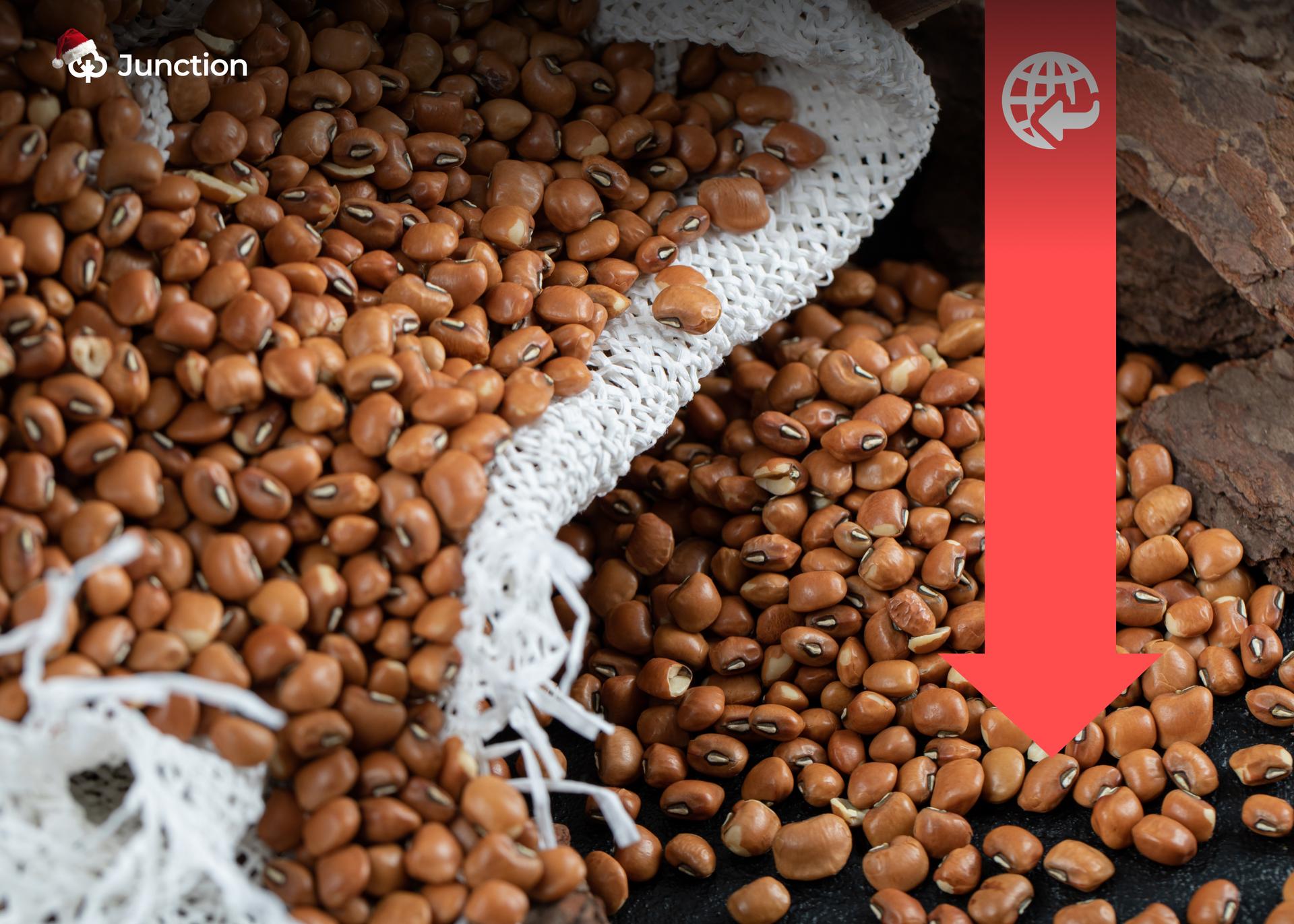
Nigeria Loses ₦4.35tr in Eight Years to Beans Export Ban
By Chinwendu Ohabughiro | Dec 05, 2025 | 0 comments

News in brief:
-The EU export ban on Nigerian beans has cost the country ₦543.75 billion annually for eight years.
-Stakeholders demand safer pesticide policies and agroecology strategies to regain export markets and protect farmers’ health.
Nigeria has lost approximately ₦4.35 trillion in foreign exchange earnings over the past eight years due to the continued ban on beans export, according to ActionAid Nigeria. The restriction, driven by excessive pesticide residues in locally produced beans, has significantly weakened the agricultural sector and contributed to rising unemployment.
This revelation came during a two-day conference on the validation of Nigeria’s National Agroecology Strategy in Abuja. The General Manager of the Kaduna Agricultural Development Agency (KADA), Muhammad Rili, presented the communique detailing the economic implications.
“Any of Nigeria’s food rejected is naira lost, and unemployment increases,” he stressed.
Pesticide Misuse and Global Market Ban
Stakeholders warn that Nigeria's inability to meet global food safety benchmarks has led to repeated export rejections, particularly in the European market.
Rili called for urgent reforms by the Federal Ministry of Agriculture and Food Security to phase out highly toxic pesticides, implement safer food policies, and promote sustainable and eco-friendly farming models.
He recommended national reduction targets for hazardous pesticides. The agency head proposed a 50% reduction by 2030, a 25% reduction by 2040, and a maximum usage of 5% by 2050.
New data further reveal a public health emergency. Nigeria produces 25% of the chemical pesticides used in Africa and accounts for 99% of documented pesticide poisoning deaths on the continent.
Farmers and Women Most at Risk
According to the World Health Organisation's data, Rili noted that 385 million farmers suffered acute pesticide poisoning in 2019, with Africa and Asia recording the highest incidents.
A 2022 survey also highlighted severe health implications for women farmers, such as respiratory issues, dizziness, headaches, vomiting, diarrhoea, eye irritation, and skin rashes.
These symptoms reflect the widespread use of hazardous chemicals across farmlands.
Stakeholders Push for Agroecology and Indigenous Seed Protection
Participants at the summit, including government agencies, civil society organisations, youth groups and development partners, urged nationwide adoption of agroecology to protect livelihoods and exports.
The communiqué recommends establishing community seed banks in every state, safeguarding indigenous crop varieties and livestock breeds, as well as supporting local breeding innovations to withstand climate pressure.
They also called for increased investment in local agricultural research, market prioritisation for agroecologically produced foods, and improved land and resource rights for smallholder women and youth farmers.

Chinwendu Ohabughiro
Chinwendu Gift Ohabughiro is a Lagos-based content writer and communications specialist passionate about people-centered stories that inspire change. A lifelong learner, she loves exploring languages, culture, storytelling—and anything involving chocolate.
Comments
More Articles Like This


