Latest news, analysis and data in the agriculture sector.
news
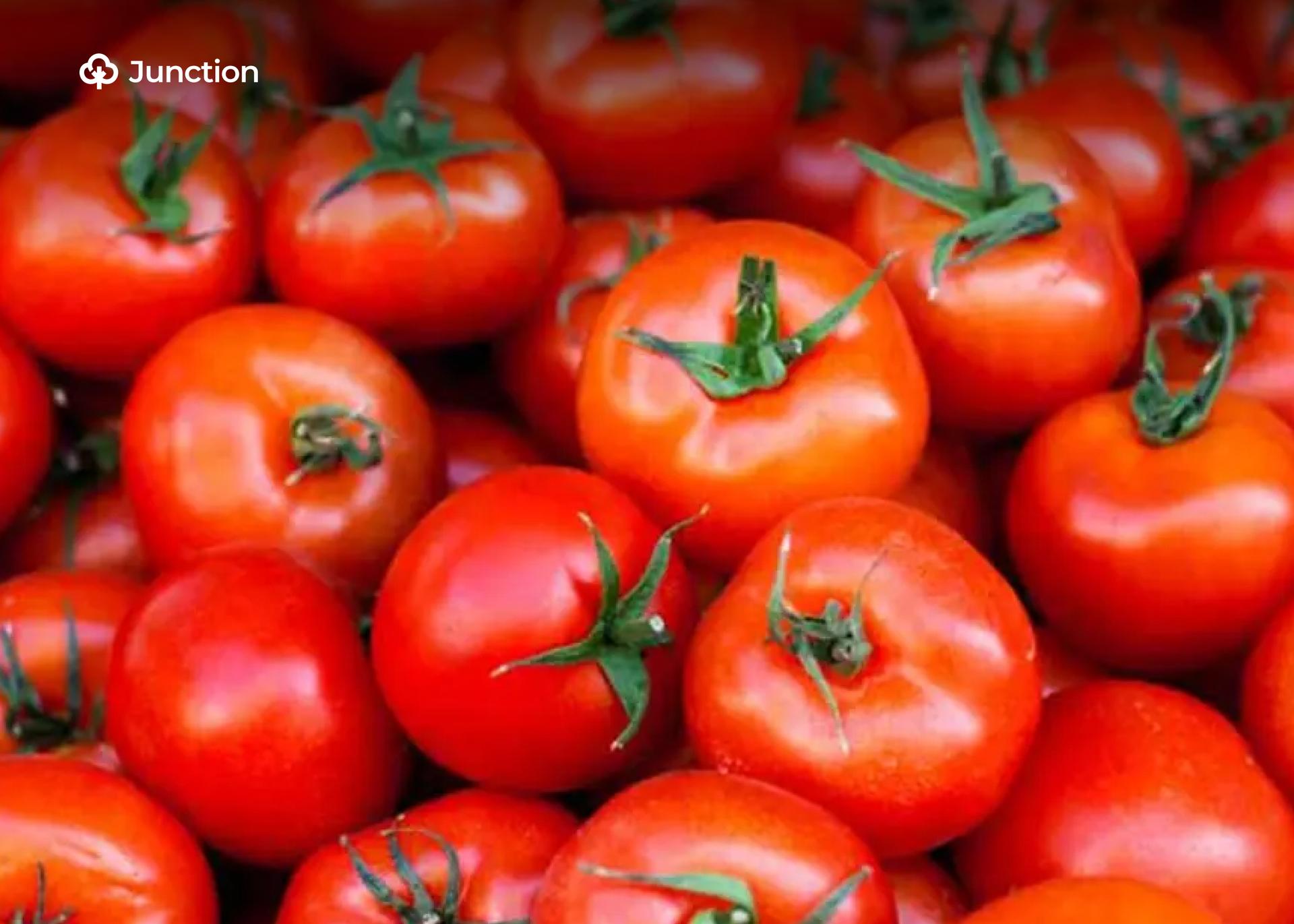
Nigeria Risks Rice, Tomato Shortages Within Three Months, OTACCWA Warns
By Chinwendu Ohabughiro | Jul 30, 2026 | 0 comments

News in Brief:
— OTACCWA warns that Nigeria could experience shortages of rice, tomatoes and other staple foods within the next three months due to declining production, insecurity and weak supply chains.
— The organisation called for coordinated action to improve security, reduce post-harvest losses, strengthen logistics and increase support for farmers ahead of the next planting season.
Nigeria could experience shortages of rice, tomatoes and other staple foods within the next three months unless urgent measures are taken to address declining production, insecurity and supply chain challenges, the Organisation for Technology Advancement of Cold Chain in West Africa (OTACCWA) has warned.
The warning was issued by OTACCWA President and Nigeria Country Director of the World Agriculture Forum, Mr Alexander Isong, during an interview with the News Agency of Nigeria (NAN) in Lagos.
Rice Production Expected to Decline
Isong claimed that rice production is projected to fall by 6% to about 8.3 million tonnes, and the area under cultivation is expected to decline by 7% to approximately 4.2 million hectares.
He noted that the United States Department of Agriculture (USDA) also projects a 5% year-on-year decline in Nigeria's rice production, reflecting mounting production challenges.
According to him, lower production and reduced planting are likely to tighten food supplies in major markets across the country.
Tomato and Grain Supplies Under Pressure
Isong warned that tomato shortages could continue until the late harvest season expected in October, while reduced planting in 2025 could lead to supply constraints of maize, sorghum and millet.
He added that onions and peppers are already facing limited supplies in key producing areas, contributing to rising market prices.
The OTACCWA president also said Nigeria is expected to remain heavily dependent on wheat imports, with imports projected at about 7.2 million tonnes.
Insecurity, Logistics Drive Food Supply Challenges
Insecurity in major food-producing areas, declining agricultural production, poor storage infrastructure and supply chain disruptions are driving the emerging food supply crisis.
The supply chain expert declared that the displacement of thousands of farmers in northern Nigeria has disrupted farming activities and reduced agricultural output.
Isong stressed that restoring security in key agricultural belts is essential to ensure that farmers can safely access their land and increase production.
He also highlighted rising transportation costs as a major contributor to food inflation.
For example, transporting one tonne of grain from Kano to Lagos now costs about ₦70,000, compared with approximately ₦45,000 previously, while transport costs on some routes have doubled or tripled.
Post-Harvest Losses Remain a Major Concern
Despite stronger agricultural GDP growth recorded during the first quarter of 2026, Isong said production gains have been undermined by post-harvest losses, reduced planting and insecurity.
He noted that Nigeria continues to lose between 30 and 50 per cent of its perishable agricultural produce before it reaches consumers.
According to him, reducing these losses should become an immediate national priority to improve food availability and moderate rising food prices.
Stakeholders Urged to Coordinate Response
Isong called on the Federal Government, state governments, development partners and the private sector to implement coordinated measures to prevent food shortages.
He recommended accelerating the distribution of improved seeds, fertilisers, irrigation support and affordable agricultural credit ahead of the 2026/2027 planting season to encourage increased cultivation.
He also advocated investments in rural roads, expanded rail freight, aggregation centres, cold storage facilities, food processing infrastructure and produce markets located closer to farming communities.
In addition, he urged private investors to expand cold chain infrastructure, food processing capacity and contract farming through affordable financing, while encouraging stronger collaboration among governments, commodity associations, farmer cooperatives, logistics providers and development partners to monitor food supplies and improve market stability.
Isong maintained that improving security, reducing post-harvest losses and strengthening agricultural logistics would help stabilise food supplies and reduce price pressures across Nigeria.

Chinwendu Ohabughiro
Chinwendu Gift Ohabughiro is a Lagos-based content writer and communications specialist passionate about people-centered stories that inspire change. A lifelong learner, she loves exploring languages, culture, storytelling—and anything involving chocolate.
Comments
More Articles Like This


