Latest news, analysis and data in the agriculture sector.
news
Northern Borno Farmers Flee to Abandoned Villages Amid ISWAP Restrictions
By Chinwendu Ohabughiro | Jul 03, 2026 | 0 comments

News in Brief:
—Suspected ISWAP terrorists have banned farming across parts of northern Borno, forcing hundreds of displaced residents to return to abandoned communities such as Kumalia in search of cultivable land.
—The restrictions, attacks on farmers and growing insecurity are deepening food insecurity, disrupting livelihoods and raising concerns over agricultural production across Nigeria's North-East.
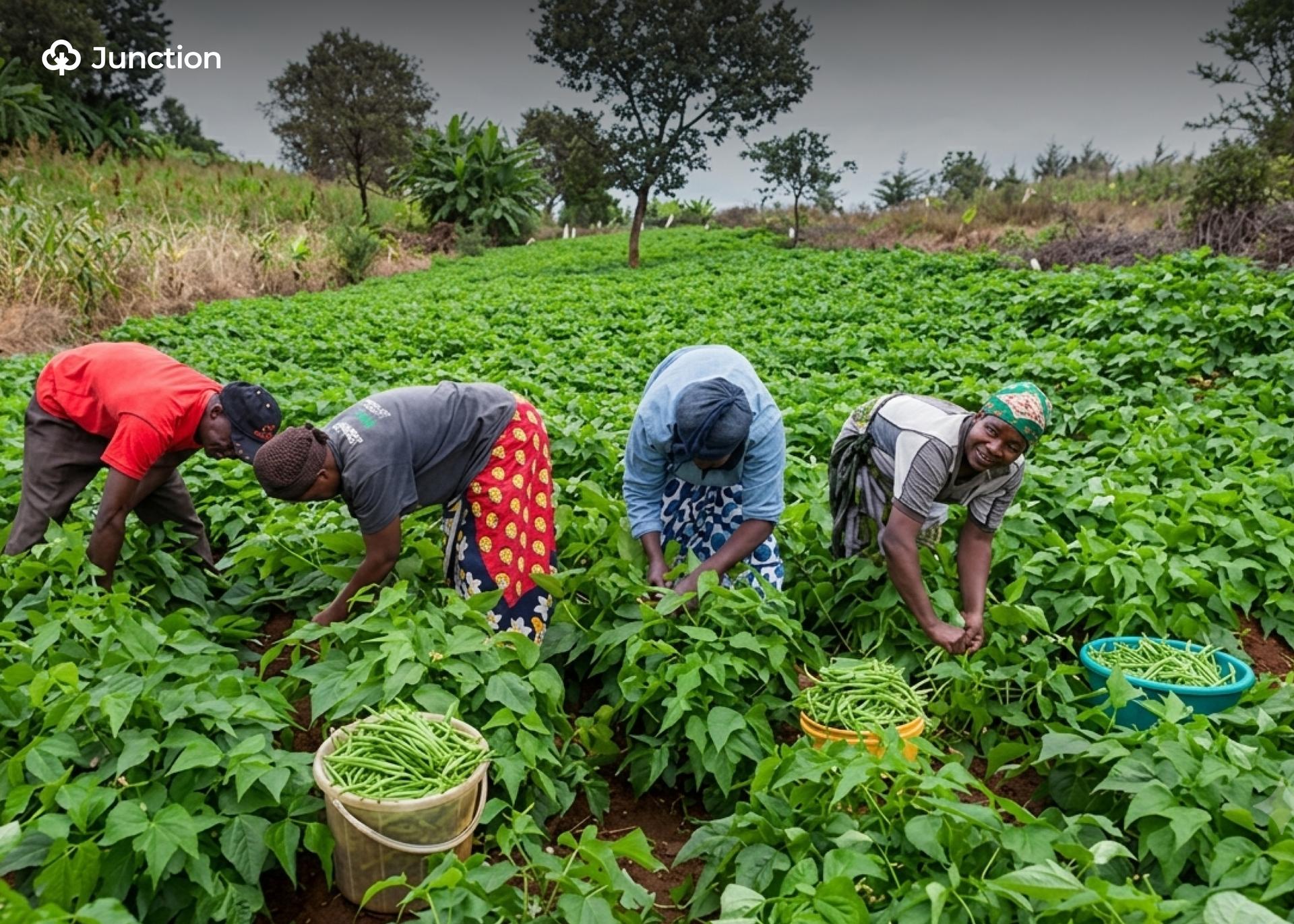
Hundreds of displaced residents have returned to Kumalia in Borno State after suspected Islamic State West Africa Province (ISWAP) terrorists banned farming across parts of northern Borno, forcing communities to abandon traditional farmlands in a desperate search for safer places to cultivate crops.
The development highlights the worsening security situation confronting farming communities in Nigeria's North-East, where violence, displacement and restrictions on agricultural activities are threatening livelihoods and intensifying food insecurity.
Farmers Return to Abandoned Communities
Kumalia, located in Monguno Local Government Area of Borno State, was largely deserted in 2016 following attacks by Boko Haram insurgents. Residents fled to Monguno town and Maiduguri, and the community was never officially reopened by the government.
However, deteriorating security around established farming areas has driven more than 100 farmers from Monguno and surrounding communities back to the abandoned settlement, where they have erected makeshift shelters to cultivate crops during the current farming season.
One of the returning farmers, Kaka Ali, explained that efforts by farmers to negotiate access to their former farmlands failed after suspected ISWAP fighters warned communities against farming this season.
Many families, including women and children, have relocated to Kumalia despite the absence of schools, healthcare facilities and other basic services, hoping to remain there until the harvest period later in the year.
Terror Groups Tighten Restrictions on Farming
According to several farmers, warnings against farming began circulating at the start of the planting season in February.
Community leaders reportedly relayed messages from suspected ISWAP members instructing farmers to either abandon cultivation or relocate permanently to territories controlled by the insurgents, where they would be required to pay levies before farming.
While some communities reportedly secured limited access after paying about ₦50,000 per farmer, negotiations failed in many areas, leaving numerous farming households without viable options.
On June 20, at least 15 farmers were reportedly killed while working on farms near Kartari in Kukawa Local Government Area (LGA), while another attack in Zabarmari claimed the lives of 11 farmers, further discouraging cultivation across northern Borno.
Returning families in Kumalia now live in temporary shelters constructed from sticks and dry grass after trekking for several hours to reach the remote community.
Although the settlement provides access to farmland and drinking water, it lacks government presence and essential infrastructure.
Residents also face the additional risk of being caught in military operations, as remote settlements occupied by civilians have previously been mistaken for insurgent locations during aerial bombardments.
Several farmers acknowledged the dangers but said remaining in towns without access to farmland offered little chance of survival.
Livelihoods Collapse as Farming Stops
Not all affected farmers have returned to abandoned communities. Some have abandoned farming altogether and turned to informal businesses or casual labour to support their families.
A displaced resident, Esther Danjuma, who previously cultivated sorghum, sesame and groundnuts, now sells bean cakes outside an internally displaced persons camp in Maiduguri after losing access to farmland.
Others, such as Andrawus Yakubu, have resorted to construction work and other manual jobs after abandoning farming due to insecurity.
Some households have also relocated to neighbouring Yobe State in search of safer opportunities.
Food Security Concerns Deepen
Agriculture remains the primary source of income for most rural households in Borno State and across northern Nigeria.
As attacks on farmers and restrictions on cultivation continue, humanitarian organisations have warned that declining agricultural production could worsen food shortages and increase prices across the region.
The Famine Early Warning Systems Network (FEWS NET) estimates that between 21 million and 22 million people across northern Nigeria will require humanitarian assistance during the June to August lean season due to conflict, reduced food production and limited access to food.
Similarly, food security assessments indicate that millions of children across northern Nigeria are expected to face acute malnutrition this year as insecurity continues to disrupt farming activities and household livelihoods.
Growing National Concern
The situation in Borno mirrors similar patterns reported across parts of North-West and North-Central Nigeria, where armed groups have increasingly restricted access to farmland through violence, extortion and forced displacement.
Analysts warn that continued attacks on farmers threaten not only local livelihoods but also Nigeria's broader food security, as reduced harvests, disrupted markets and rising production risks continue to affect agricultural output nationwide.
Without improved security and sustained support for farming communities, the country's efforts to increase food production and stabilise food prices are likely to face significant challenges.

Chinwendu Ohabughiro
Chinwendu Gift Ohabughiro is a Lagos-based content writer and communications specialist passionate about people-centered stories that inspire change. A lifelong learner, she loves exploring languages, culture, storytelling—and anything involving chocolate.
Comments
More Articles Like This


